Lithium-ion batteries have become part of everyday life. From e-bikes and e-scooters to cordless power tools, laptops, phones and vacuum cleaners, we’re surrounded by rechargeable battery-powered devices.
The Basics of How to Charge E-Bike Battery Safely at Home (and Why It Extends to Every Device)
While these batteries are convenient and generally safe when used correctly, lithium-ion battery fires are an increasing concern for Australian households.
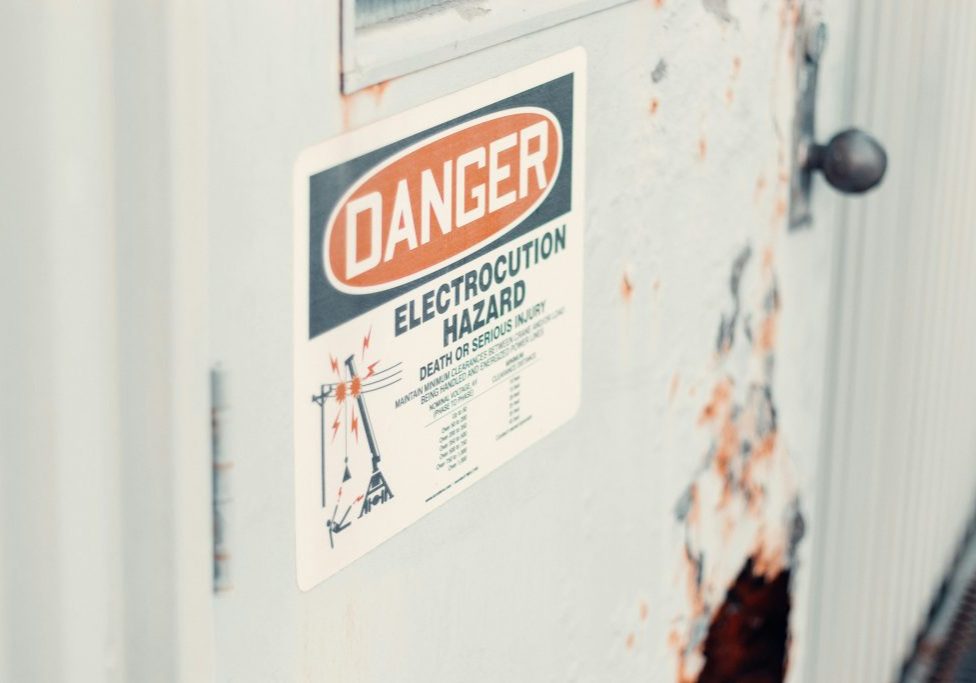
Larger batteries found in e-bikes, e-scooters and other personal mobility devices deserve particular attention because they contain a significant amount of stored energy. If a battery is damaged, faulty or incorrectly charged, it can overheat and enter a process known as thermal runaway, potentially resulting in a rapidly developing fire.
So, how can you reduce the risk in your home?
E-Bikes & E-Scooters: Take Extra Care When Charging
E-bikes and e-scooters have become increasingly popular, but their larger lithium-ion batteries require careful handling.
One of the biggest risks is charging a battery incorrectly or using a charger that isn’t designed for it.
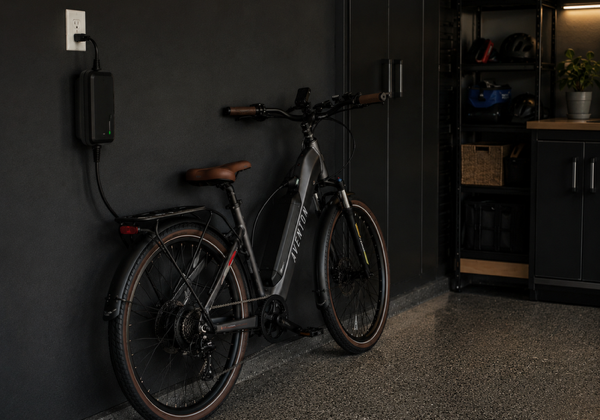
Always use the charger supplied by the manufacturer or one specifically approved for your particular battery.
When charging your e-bike or e-scooter:
- Charge it in a well-ventilated area.
- Place the battery and charger on a hard, stable surface.
- Keep the charging area clear of curtains, furniture, cardboard and other combustible materials.
- Don’t charge it on a bed, couch or carpet.
- Keep it away from heat sources and direct sunlight.
- Don’t charge it while you’re asleep or away from home.
- Don’t cover the battery or charger while charging.
- Follow the manufacturer’s charging instructions.
- Regularly inspect the battery, charger and cables for signs of damage.
If your e-bike or e-scooter has a removable battery, follow the manufacturer’s instructions regarding whether it should be charged inside or outside the device.
Think about where you charge it
Where you charge a large lithium battery can be just as important as how you charge it.
Avoid charging e-bikes, e-scooters and other large battery powered devices in bedrooms, hallways or anywhere that could block an exit if a fire occurs.
If your garage is attached to your home, consider whether charging a large battery inside the garage is appropriate and ensure smoke alarms and other fire-safety measures are in place.
The goal is simple: if something goes wrong while charging, you want the fire detected early and you want to be able to get out of the house safely.
Never Ignore a Damaged or Swollen Battery
Lithium-ion batteries can become damaged through age, impact, overheating or manufacturing faults.
Before charging your e-bike, e-scooter or other battery-powered equipment, take a moment to inspect it.
Warning signs include:
- Swelling or bulging
- Cracks, dents or punctures
- Leaking
- Discolouration
- Unusual smells
- Excessive heat
- Hissing, popping or crackling
- Smoke or fumes
If something doesn’t look or feel right, don’t charge it and don’t keep using it.
Never attempt to dismantle, repair or modify a lithium-ion battery yourself.
A damaged battery can become unstable and potentially enter thermal runaway.
What Is Thermal Runaway?
Thermal runaway is a chain reaction that can occur when a lithium-ion battery becomes dangerously hot.
As the battery heats up, internal components can break down and generate even more heat. This can cause the battery to rapidly release stored energy, potentially producing flames, toxic smoke and flammable gases.
Once thermal runaway begins, a battery fire can develop extremely quickly.
This is why prevention and early detection are so important.
Don’t Forget the Smaller Batteries Around Your Home
It’s easy to associate lithium-ion battery fires with e-bikes and e-scooters, but there are plenty of smaller devices around your home that use the same technology.
These include:
- Mobile phones
- Laptops and tablets
- Power banks
- Cordless drills and power tools
- Cordless vacuum cleaners
- Electric garden tools
- Cameras
- Children’s toys
- Portable speakers
- Shavers and personal grooming devices
- Other rechargeable household appliances
The batteries may be smaller, but the same basic safety principles apply.
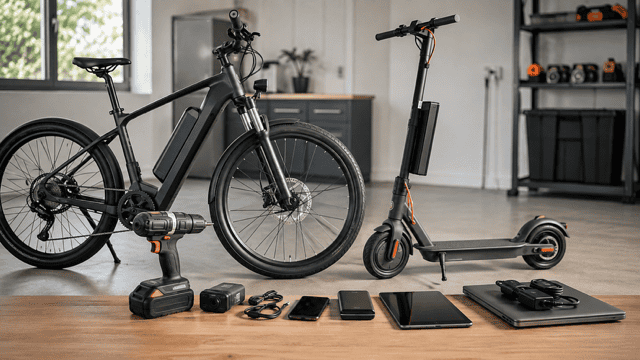
Safe charging habits for everyday devices
Use the correct charger.
Use the charger supplied with the device or a compatible charger recommended by the manufacturer.
Don’t charge on soft furnishings.
Beds, couches, cushions and blankets can trap heat and provide combustible material if something goes wrong.
Don’t cover charging devices.
Allow heat to escape and keep chargers and batteries well ventilated.
Don’t use damaged equipment.
If a device or battery has been dropped, crushed, swollen or damaged, stop using it.
Avoid overnight charging where possible.
If a fault develops while you’re asleep, you may not become aware of it until the fire has already taken hold.
Keep charging areas clear.
Don’t charge devices next to curtains, paper, clothing or other easily combustible materials.
What Should You Do If a Lithium Battery Catches Fire?
This is the most important thing to remember:
Don’t try to be a hero. Get out and call 000.
If a lithium-ion battery begins smoking, making unusual noises or catches fire:
1. Get everyone out of the area.
Don’t put yourself at risk trying to save the device.
2. Call Triple Zero (000).
Tell the operator that a lithium-ion battery is involved.
3. Don’t touch the battery.
A battery that appears to have stopped burning can remain extremely hot and may reignite.
4. Don’t attempt to dismantle or move it.
A damaged lithium battery can release toxic and flammable gases.
5. Stay outside and wait for firefighters.
Lithium-ion battery fires can behave differently from ordinary household fires and may reignite after appearing to be extinguished.
What if the battery is only smoking?
Treat smoke as a serious warning.
Don’t wait for flames to appear before taking action. Get everyone out, call 000 and let firefighters deal with the situation.
Smoke Alarms Are Your First Line of Defence
Early warning is critical when it comes to any house fire.
Make sure smoke alarms are installed in the appropriate locations throughout your home, are regularly tested and have functioning batteries.
If you have an attached garage where battery-powered devices are regularly charged or stored, it’s worth discussing your smoke alarm coverage with a qualified professional.
A Few Simple Rules to Remember
When it comes to lithium-ion batteries, remember:
CHARGE SAFELY
Use the correct charger and follow the manufacturer’s instructions.
CHECK REGULARLY
Look for swelling, damage, heat, unusual smells or noises.
KEEP IT CLEAR
Charge on a hard surface away from combustible materials.
DON’T CHARGE WHILE ASLEEP
If something goes wrong, you want to know about it quickly.
DON’T USE DAMAGED BATTERIES
If in doubt, stop using it.
KEEP EXITS CLEAR
Never charge or store large battery devices where they could prevent you from escaping.
GET OUT & CALL 000
If a lithium-ion battery catches fire or starts producing smoke, don’t put yourself at risk.
Stay Safe Around Lithium Batteries
Lithium-ion batteries aren’t something we need to fear. They’re an incredibly useful technology that powers many of the devices we rely on every day.
But as we bring more and larger battery powered devices into our homes, it’s important to understand how to use and charge them safely.
A few simple precautions can significantly reduce the risk of a battery related fire, and knowing what to do if something goes wrong could help protect your family and your home.
Need help making your home safer?
At E-Tec Electrical we can help with smoke alarm installations, electrical safety inspections, additional power points and dedicated circuits for your home.
If you’re unsure whether your home’s electrical setup is suitable for your charging needs, contact the E-Tec team for advice.
This article provides general electrical and fire-safety information. Always follow the manufacturer’s instructions for your specific battery and device. In an emergency, call Triple Zero (000).